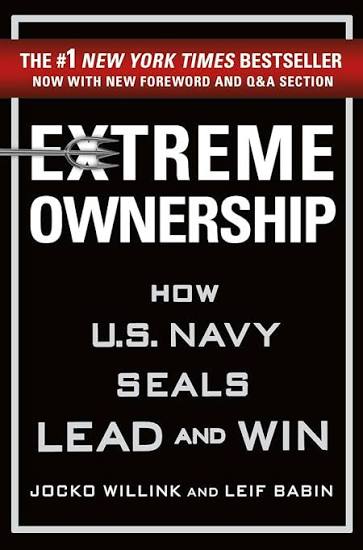
"The leader must own everything in their world. There is no one else to blame."
I heard that line on a run a couple of weeks ago and knew that was the quote I'd remember.
Not because it was new to me. Because it put into words something I'd been doing for years without ever naming it.
Extreme Ownership by Jocko Willink and Leif Babin is built around a simple and uncomfortable idea. Two ex-Navy SEALs with enough stories for three lifetimes making the case that whether you're out in the field or in the office, the buck stops with you. Always.
Who else is responsible for what happens to you? Managers? Colleagues? Team members?
I've learnt over my career that the biggest prerequisite for growing is ownership. "It's not my job, so it didn't get done" or "they said they were going to do that" may be true. But they boil down to excuses. And if the outcomes impact you negatively, it's time to ask: should I have done more here?
The answer is yes, by the way.
The half time talk
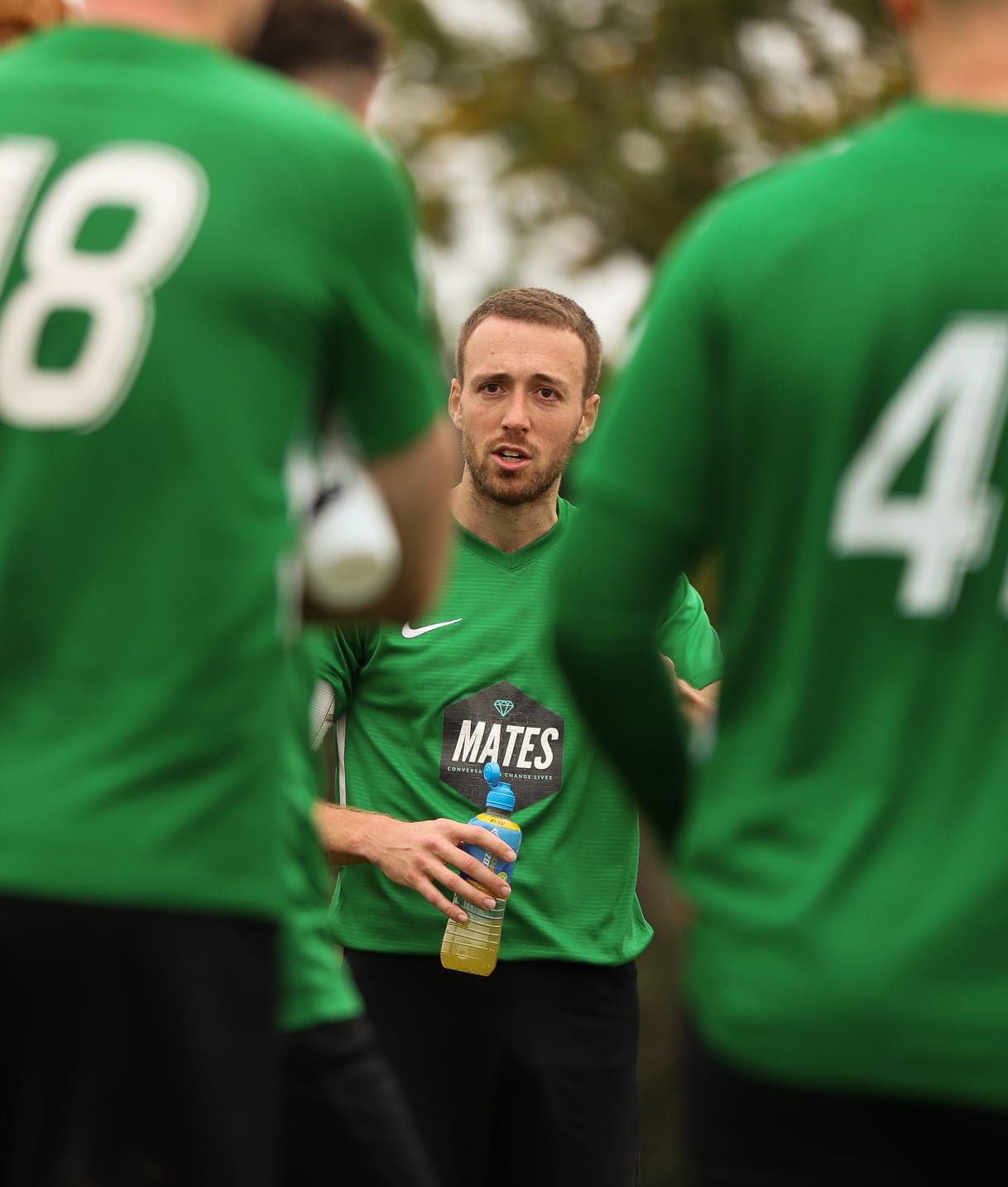
Listening to this book made me think of some of the half time speeches my teammates had to suffer through during my time captaining Sunday League football clubs.
95% of my half time team talks were built around the same idea.
Winning or losing, it didn't matter. In an hour we're all going to be sitting in the pub thinking about this game. The only question is this: are we going to wait for someone else to make sure we're talking about a great second half, or are we going to take responsibility for it ourselves?
That's extreme ownership. I just didn't know it had a name.
What it looks like in practice
I've spent a decade in enterprise partnerships and customer success. Closing six figure deals, managing complex stakeholder relationships, navigating renewals that looked certain until they didn't.
When a deal goes wrong, there are always reasons available. The product wasn't ready. The timing was off. The champion lost internal support. Some of those things are true. None of them are the point.
Extreme ownership asks a different question. What did I miss? Where did I lose the thread? What could I have done earlier, better, differently? That's not self-flagellation. It's the only way to get better at something genuinely difficult.
The same standard applies on a Sunday morning football pitch. The captain who points at the defender isn't leading. The captain who asks what the team could have done differently, and owns their part in it, is.
The part nobody talks about
There's a version of this worth being honest about.
Extreme ownership is easy to maintain when the culture around you shares the same standard. It's harder when it doesn't. When credit flows up and blame flows down, the person operating with full accountability ends up carrying more than their share.
Willink's answer is that it doesn't matter. You own your world regardless of what anyone else is doing with theirs. Scaling back your standard to match the environment costs you more in the long run than carrying the extra weight in the short term.
I've found that to be true. It's not always comfortable. It's still the right call.
The long game
Extreme ownership is about the long game. Not about blame, not about credit. The only question that actually moves things forward: what can I do differently next time?
Own it. All of it. That's where the growth is.